Wild Papeete: 7 Natural Wonders That Look Like Another Planet!
The Humidity of History
Papeete does not greet you; it stickily absorbs you. The moment the cabin pressure equalizes with the Tahitian air, you are no longer a passenger but a participant in a slow-motion riot of chlorophyll and salt. It is 5:14 AM. The sun is a bruised violet smear against the silhouette of Moorea, and the air smells of rotting hibiscus and diesel—the perfume of a Pacific crossroads. To the uninitiated, Papeete is merely a transit hub, a necessary friction before the overwater bungalows of Bora Bora. But they are wrong. They miss the vibrating magnetism of a city that feels like it was conjured by a feverish cartographer who forgot where the land ended and the hallucination began.
I stand on the Boulevard Pomare, watching the first le truck rattle past, its wooden chassis screaming in protest against the asphalt. The paint is a flaking cerulean, the color of a shallow lagoon, peeling away in sun-scorched scabs to reveal the gray timber beneath. Inside, a frantic office worker in a crisp, starch-white shirt clutches a briefcase as if it were a flotation device, her brow already beaded with the day’s first pearls of sweat. She stares ahead, oblivious to the scent of the tiare flowers tucked behind the ears of the grandmothers beside her.
The city is a kaleidoscope of contradictions, a French colonial ghost story told in a Polynesian tongue.
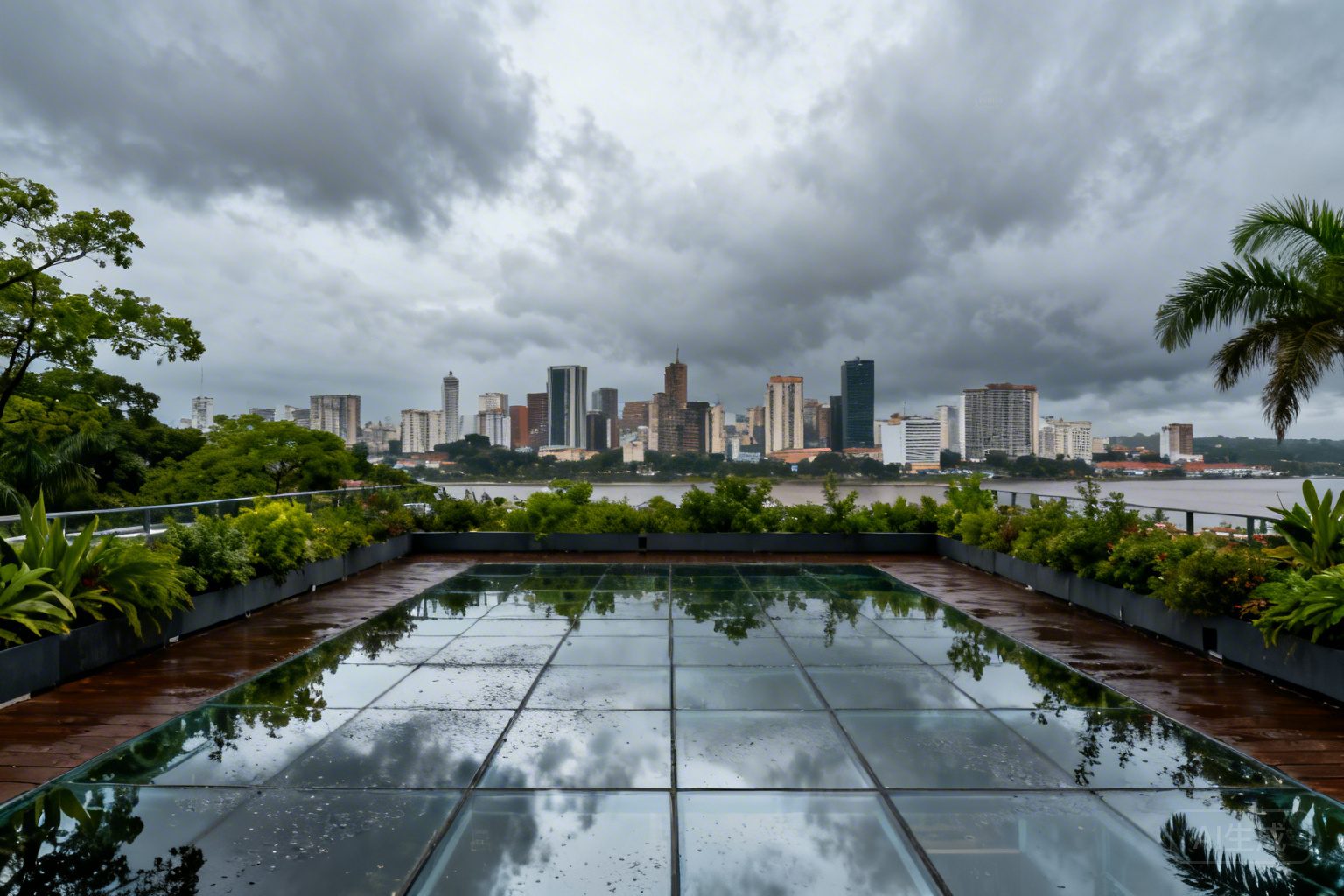
To find the “wild” here is not to leave the city, but to realize that the city is losing its battle against the emerald verticality of the island. Everywhere you look, the mountains are leaning in, draped in a green so aggressive it feels predatory. This is a journey through the seven natural ruptures in reality that define this capital—sights that suggest we have slipped through a fold in space and landed on a planet where the rules of geology were written by a poet on absinthe.